Nestled on the western shores of Central Africa, Equatorial Guinea comprises a small mainland area, sandwiched between Cameroon and Gabon, and numerous islands, including Bioko – home to the capital, Malabo – and Corisco, a veritable wild tropical paradise.
The only country on the continent where Spanish is the official language, Equatorial Guinea is one of the least-visited destinations in the world – but this is unjustified, as it boasts an incredible variety of landscapes and natural beauty.
The islands offer the most idyllic scenery one could hope for, with stretches of wild beaches – some of white sand fringed with palm trees and others of black volcanic sand. The paradisiacal Arena Blanca on Bioko and that on Corisco are certainly among the most unspoilt and secluded.
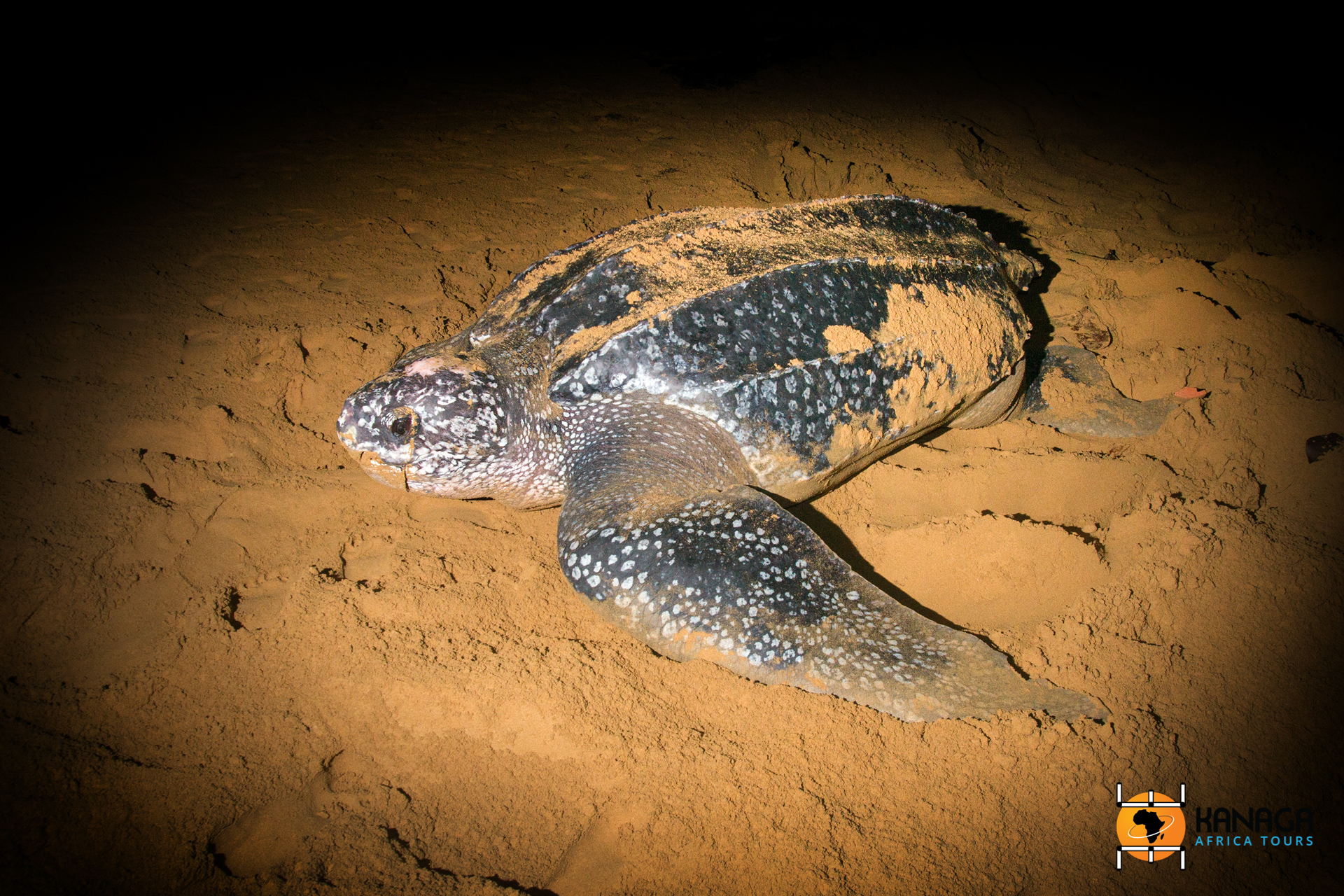
There are countless nature trails to explore, from beach treks in Moaba and on Pico Basile in Bioko to encounters with leatherback turtles and chimpanzees; the cultural aspect is also of great interest, with Fang villages nestled deep in the forest, where Bwiti rituals are practised.
Equatorial Guinea is a well-kept natural treasure – one to visit without delay!
A one-off departure with anthropologist Leonardo Francesco Paoluzzi.
A journey off the beaten track, for true travellers
A trip to Equatorial Guinea requires strong motivation and a great ability to adapt. The treasures this country holds are not easily accessible; the organisation and logistics are complex, and often, to be rewarded for the efforts made during the tour, a touch of luck is required.
There will be whole days spent travelling; you’ll travel on bumpy tracks, wait for hours for domestic flights, have to adapt to possible changes to the itinerary, and tackle rough terrain… in short, an experience for ‘true travellers’ who are not put off by the complexities of life in Africa, aware that the chance to spend a few hours watching sea turtles lay their eggs or taking part in a Bwiti ritual are privileges reserved for the few, and precious gifts that will certainly make the journey’s hardships worthwhile for the group.
Day 1: Wednesday 6 January 2027
Outward flight/Malabo (SSG)
Day 2: Thursday 7 January 2027
Flight/Malabo/Pico Basile/Malabo
The ascent of Pico Basile, a volcanic area offering views across the entire island.
Day 3: Friday 8 January 2027
Malabo (SSG)/Flight/Bata (BSG)
The impressive Semu market in Malabo, and the cathedral and seafront in Bata.
Day 4: Saturday 8 January 2027
Bata/Fang villages/Djibloho
The Fang villages in the forest and an encounter with chimpanzees.
Day 5: Sunday 9 January 2027
Djibloho/Mongomo/Cogo
The imposing Mongomo Basilica and the Bwiti animist rituals at night.
Day 6: Monday 10 January 2027
Cogo/Cabo San Juan/Corisco
Heading for the legendary island of Corisco, an unspoilt tropical paradise.
Day 7: Tuesday 11 January 2027
Corisco/Elobey Grande and Elobey Chico/Corisco
A boat trip to Elobey Grande and Chico, taking in beaches, fishing villages and colonial ruins.
Day 8: Wednesday 12 January 2027
Corisco/Cabo San Juan/Bata (BSG)/Flight/Malabo (SSG)
Return to the mainland before continuing on to the island of Bioko.
Day 9: Thursday 13 January 2027
Malabo/Batete/Ureca/Moaba
The Spanish colonial remains at Batete and Luba, a trek amongst waterfalls and volcanic beaches, and the sea turtles laying their eggs at Moaba.
Day 10: Friday 14 January 2027
Moaba/Ureca/Arena Blanca/Malabo
The snow-white Arena Blanca beach and the Cathedral of Santa Isabel in Malabo.
Day 11: Saturday 15 January 2027
Malabo/Flight
La Finca Sampaka: from cocoa production to chocolate tasting.
Day 12: Sunday 16 January 2027
Return flight
There are no extensions for this tour, please contact us at [email protected].